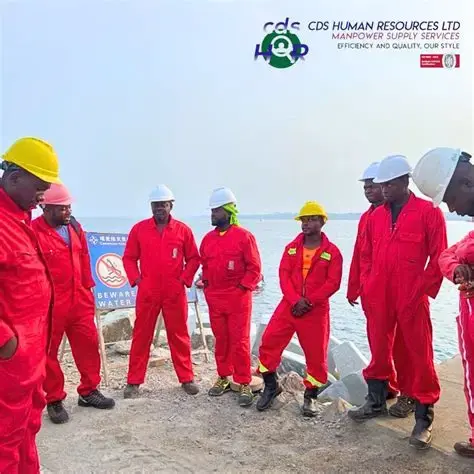
Diversity and Inclusion in the Cameroonian Context
Cameroon is often called "Africa in miniature" for its extraordinary cultural, linguistic, and ethnic diversity. With over 250 ethnic groups, two official languages, and ten distinct regions, the country's workforce is inherently diverse. Harnessing this diversity effectively is a strategic advantage.
Why Diversity Matters for Business
Research consistently shows that diverse organizations outperform their peers:
Higher innovation – Diverse teams generate more creative solutions
Better decision-making – Multiple perspectives reduce groupthink
Stronger financial performance – Companies in the top quartile for diversity are 35% more likely to outperform competitors
Improved talent attraction – Inclusive employers attract a wider talent pool
Enhanced reputation – Clients and partners increasingly value diversity
Dimensions of Diversity in Cameroon
Linguistic Diversity
Cameroon's bilingual (French/English) workforce presents both opportunities and challenges:
Ensure equal opportunities regardless of primary language
Provide language training to foster cross-cultural collaboration
Translate key HR documents and policies into both languages
Regional Representation
Employees from different regions bring unique perspectives:
Avoid concentration of hiring from a single region
Consider regional representation in leadership positions
Respect and accommodate regional cultural practices
Gender Equality
While progress has been made, gender disparities persist:
Implement equal pay policies and conduct regular pay audits
Create mentoring programs for women in leadership
Provide maternity support that goes beyond legal minimums
Address unconscious bias through training
Disability Inclusion
Cameroon's law mandates inclusion of persons with disabilities:
Make workplaces physically accessible
Provide reasonable accommodations
Partner with disability organizations for recruitment
Practical Steps to Foster Inclusion
Leadership commitment – Diversity starts at the top. Leaders must champion inclusion visibly
Inclusive hiring practices – Use diverse interview panels and standardized evaluation criteria
Cultural awareness training – Help employees understand and appreciate differences
Employee resource groups – Create safe spaces for underrepresented groups
Inclusive policies – Review all HR policies through a diversity lens
Regular assessment – Measure diversity metrics and hold leaders accountable
Conclusion
In a country as diverse as Cameroon, building an inclusive workplace isn't just the right thing to do—it's a competitive necessity. Organizations that embrace their workforce's full diversity will attract better talent, make better decisions, and achieve stronger results.
Want to build a more inclusive workplace? Contact CDS Human Resources SARL for diversity and inclusion consulting.